


The Vegetable Garden Pest Handbook: Identify and Solve Common Pest Problems on Edible Plants - All Natural Solutions!
11 sold in last 24 hours
Estimated shipping
Select a product to estimate shipping.The Vegetable Garden Pest Handbook: Identify and Solve Common Pest Problems on Edible Plants - All Natural Solutions!
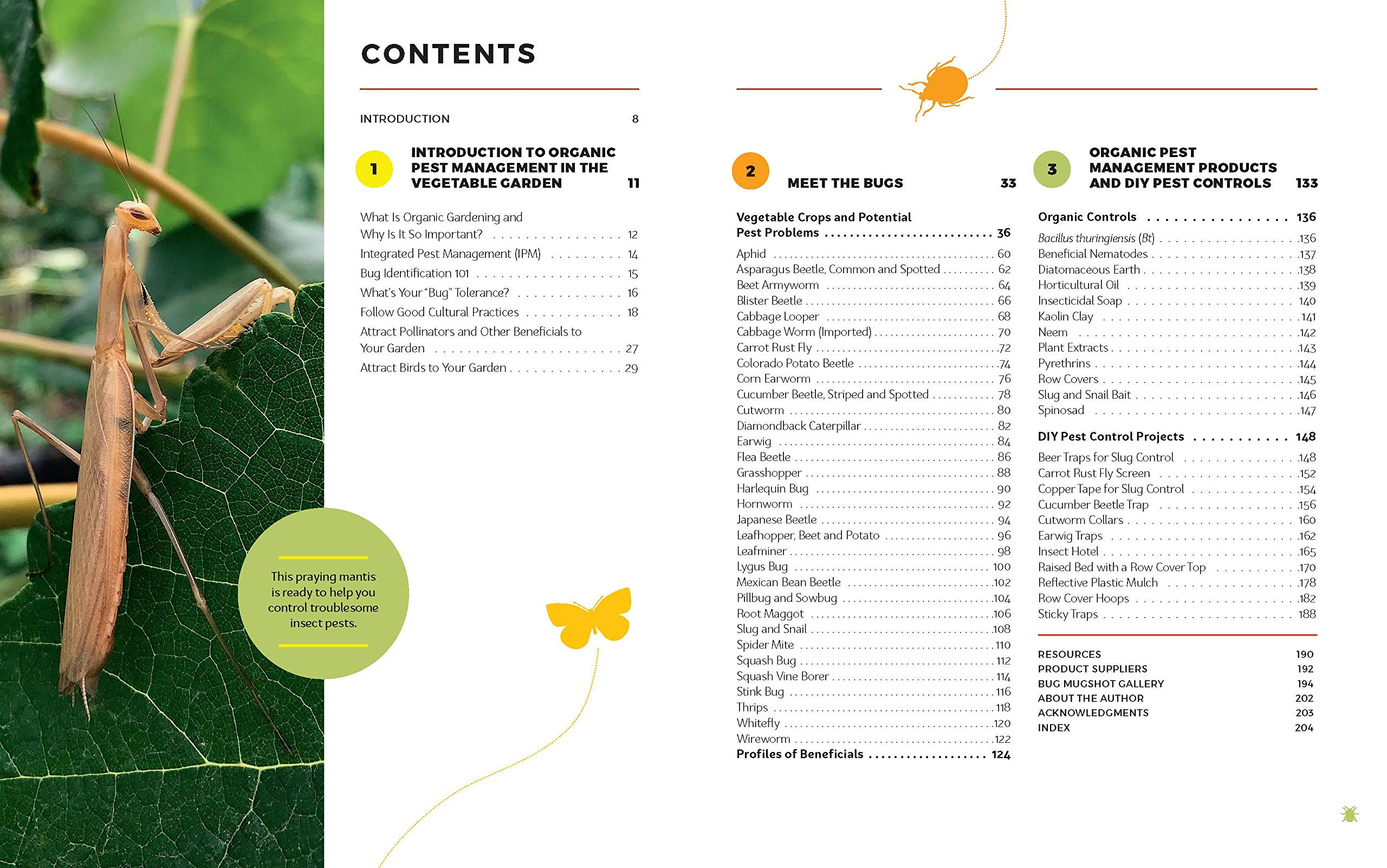
INTRODUCTION TO ORGANIC PEST MANAGEMENT IN THE VEGETABLE GARDEN
Growing your own food is one of life’s greatest pleasures. The act of nurturing young seedlings, being out in the fresh air, harvesting that first vine-ripened tomato, and knowing you are putting healthy food on the table all combine to make it such a positive experience.
At least, it is until that first time you head into the garden and discover holes in the broccoli leaves or the biggest caterpillar you’ve ever seen nibbling on your tomato crop. Those aren’t exactly positive experiences, are they?
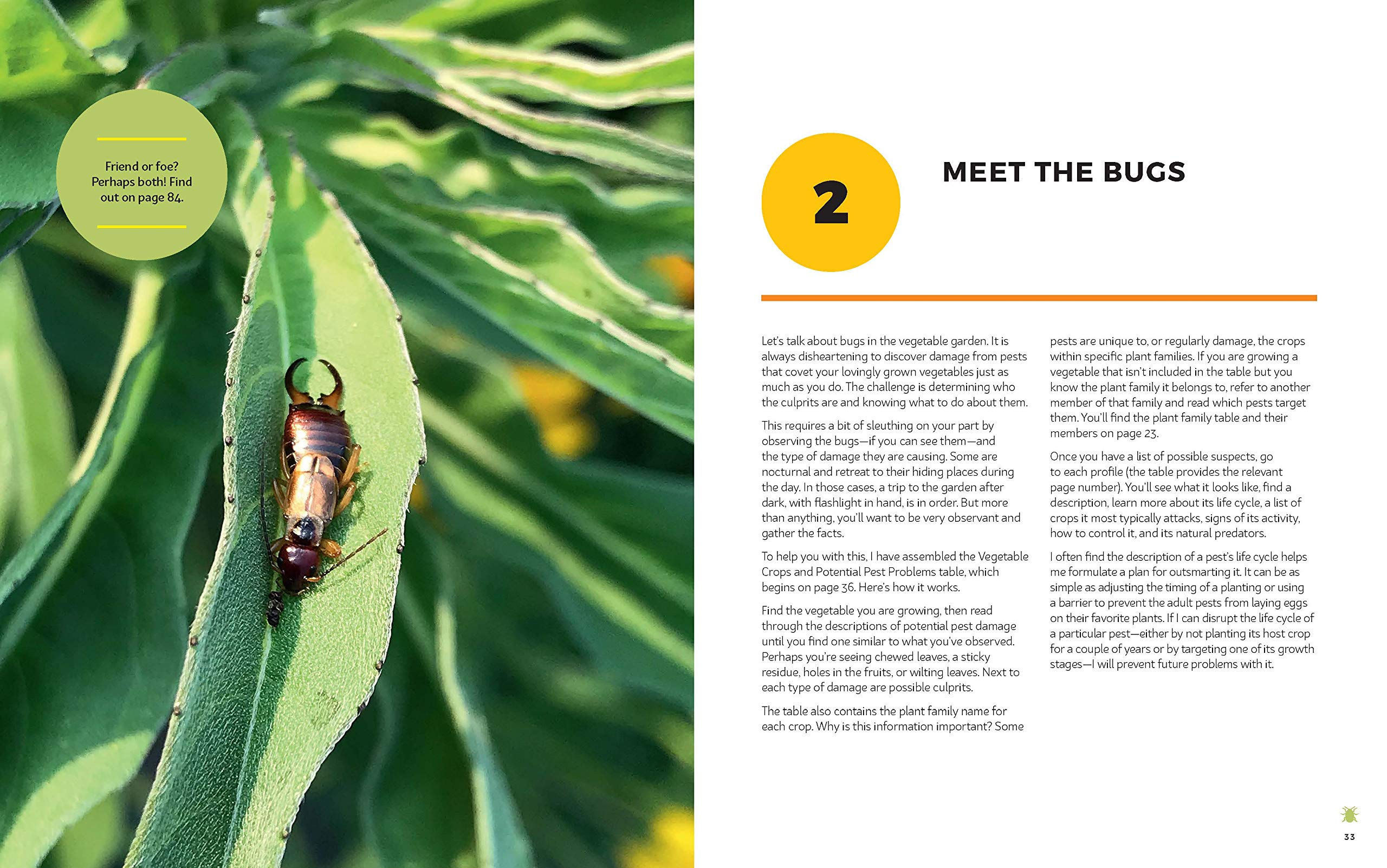
MEET THE BUGS
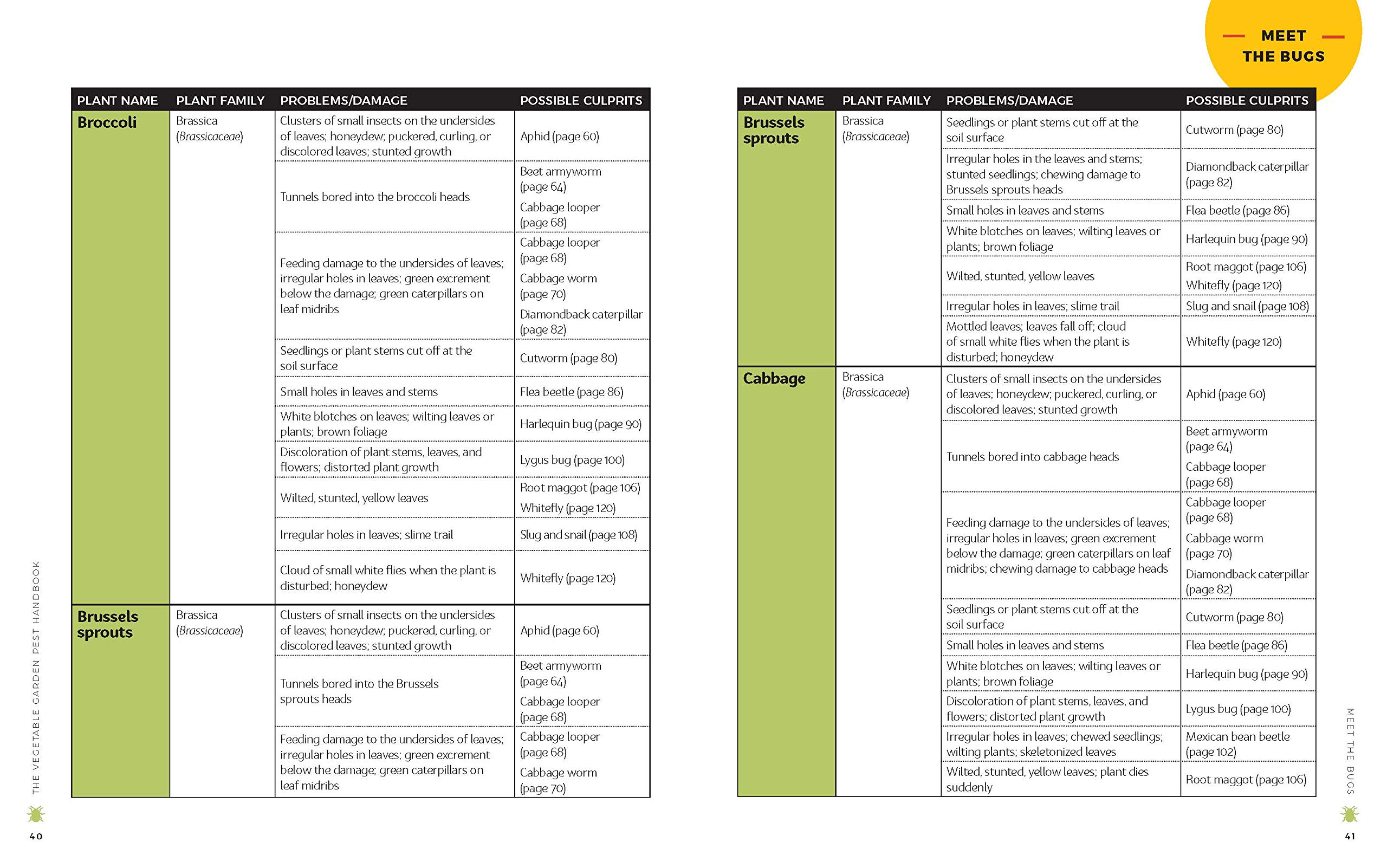
Let’s talk about bugs in the vegetable garden. It is always disheartening to discover damage from pests that covet your lovingly grown vegetables just as much as you do. The challenge is determining who the culprits are and knowing what to do about them.
This requires a bit of sleuthing on your part by observing the bugs—if you can see them—and the type of damage they are causing. Some are nocturnal and retreat to their hiding places during the day. In those cases, a trip to the garden after dark, with flashlight in hand, is in order. But more than anything, you’ll want to be very observant and gather the facts.
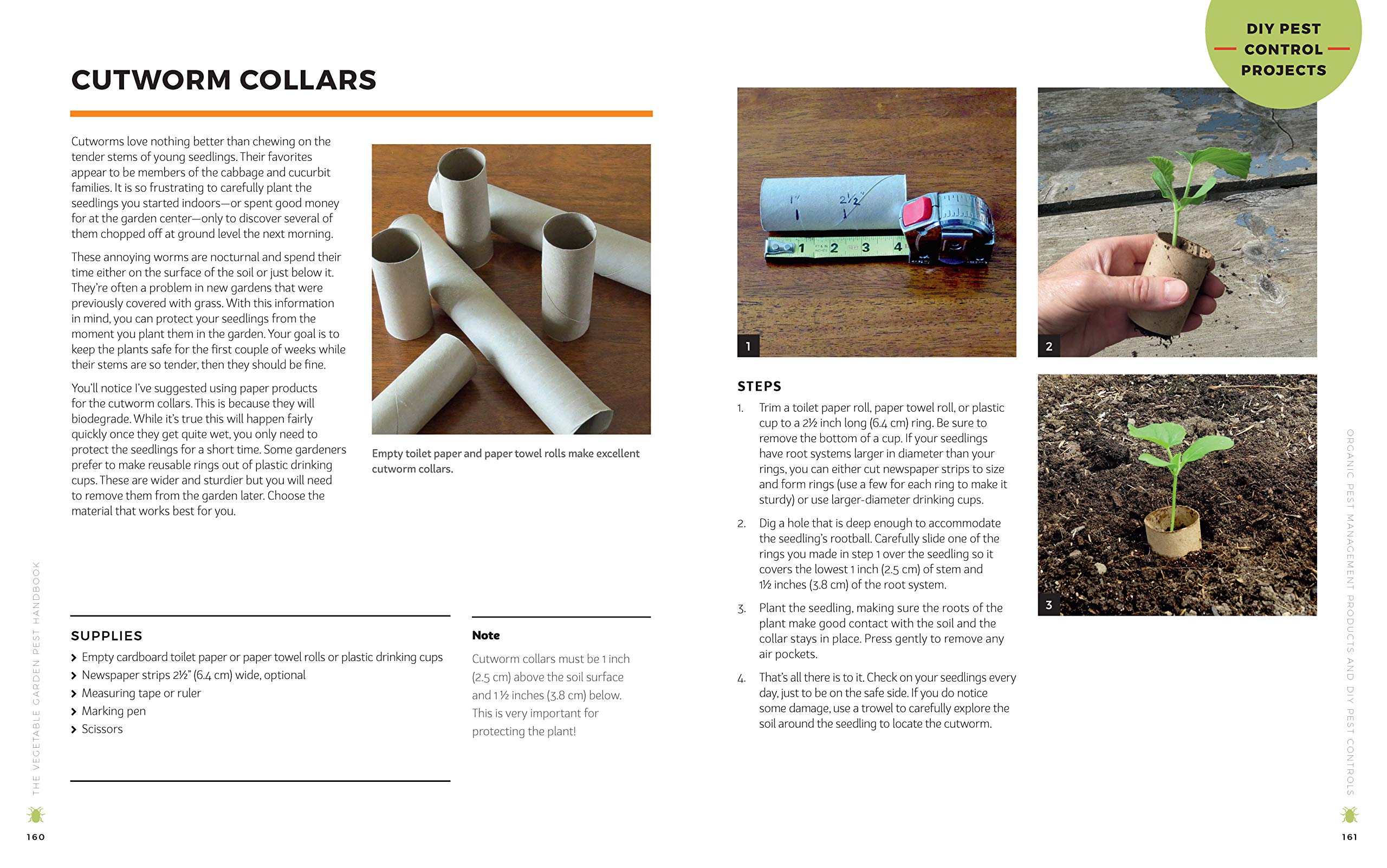
ORGANIC PEST MANAGEMENT PRODUCTS AND DIY PEST CONTROLS
In the previous chapter, I identified specific vegetable garden pests and the many options you have for controlling them. In this chapter, we’ll get down to the nuts and bolts of the control methods and how to implement them. In the first half are details on easy-to-find organic products available to gardeners. The second half is filled with economical projects you can make to keep away pests or lure them into a trap and some very cool items that will add greatly to your enjoyment of gardening.
WHAT’S YOUR “BUG” TOLERANCE?
I’ve got a question for you: When you walk into your garden and see one or two problem insects, do you dive into action or wait to see if you’ll need to intervene?
In some cases, particularly when it comes to vegetable gardens, it’s important to jump in right away while the pests are at a vulnerable stage and few in number. But remember that beneficials can help us out of a tight spot.
A few years ago, I was walking through my garden and stopped to check on the currant bushes. When I saw a lot of puckered leaves, I inwardly groaned. Aphids. I turned over some leaves. Yes, lots and lots of them were on the undersides. I debated about what I wanted to do but decided I didn’t have the time at the moment.
You guessed it: My schedule got busy over the next few days and I completely forgot about those aphids. A few days later, I suddenly remembered them and dashed back out to the garden. Instead of witnessing more aphid mayhem, I was pleasantly surprised to discover that almost all of them had vanished. In their place was a collection of adult ladybugs, their larvae, and even some pupae, which are essentially pre-adults.
As you can see in the photo opposite, ladybug larvae look rather frightening. Fortunately, I knew exactly what they were and that their voracious appetite for aphids is legendary. They had come to the rescue and enjoyed quite a feast, courtesy of my forgetting about the problem.
The moral of the story is this: If we are patient, beneficials will often take care of problems for us. Chapter two profiles the most common vegetable garden pests and the timing for using simple organic controls—and it indicates the natural predators that target each pest.
ORGANIC CONTROLS
KAOLIN CLAY
ROW COVERS
SLUG AND SNAIL BAIT
BEER TRAPS FOR SLUG CONTROL
CARROT RUST FLY SCREEN
COPPER TAPE FOR SLUG CONTROL
INSECT HOTEL
REFLECTIVE PLASTIC MULCH
PEST PROFILES
CABBAGE LOOPER Family name: Noctuidae Latin name: Trichoplusia ni
Cabbage looper moth larvae primarily chew on the leaves of cabbage family crops but can be found on a few other vegetables, as well. While they are widespread, loopers only overwinter in regions where the temperatures don’t drop below freezing. These caterpillars are pale green with white, lengthwise stripes and three pairs of prolegs that cause them to move in a looping motion typical of inchworms. They can grow up to 11⁄2 inches (3.8 cm) long. Unlike cabbage worms (Pieris rapae, page 70), which are the larvae of butterflies, loopers have fairly smooth skin. The adult moths have speckled gray forewings with an unusual white pattern on them and pale brown hindwings; they are active at night.
LIFE CYCLE
The moths lay round, cream-colored eggs that hatch in 2 to 5 days. The larvae go through several instars over the course of 3 weeks. After pupating in a thin, silky cocoon located on or near the same plant upon which they’ve fed, they emerge as moths in 1 to 2 weeks. Even though the adult stage of the moth only lasts about 12 days, they can lay up to 600 eggs in that time.
TYPICALLY SEEN ON
Cabbage family crops (arugula, broccoli, Brussels sprouts, cabbage, cauliflower, kale, kohlrabi, mustard, radishes, rutabagas, turnips), lettuce, peas, potatoes, spinach
SIGNS OF THEIR ACTIVITY
Feeding damage on the undersides of the leaves; jagged holes through the leaves; holes that bore into the heads of cabbage or broccoli; green frass around or below the plant damage
CONTROLS
Hand-pick the caterpillars, crush the eggs.
Apply Bacillus thuringiensis variety kurstaki to the leaves when you detect damage.
Apply insecticidal soap, Neem, plant extracts, pyrethrins, or spinosad.
Clean up garden debris
Eliminate nearby weedy areas during and at the end of the garden season to eliminate pupae.
Product details


| Main Specification | |
|---|---|
| Data publikacji | 2021 or April 27 |
| Marka | przez Susan Mulvihill (Autor) Format: Paperback |
| Pozycja Waga | 1.64 pounds |
| Product information | |
| Język | Angielski |
| Others | |
| Typ produktu | Organiczne i zrównoważone |
| Wydawca | Cool Springs Press |
| Długość wydruku | 208 pages |
| ISBN- 10 | 0760370060 |
| ISBN- 13 | 978-0760370063 |
| Wymiary | 8.65 x 0.63 x 10.05 inches |
| ISBN10 | 0760370060 |
| ISBN13 | 978-0760370063 |